
Dell OptiPlex 5040 SFF
Released Q4 2015 · Model history
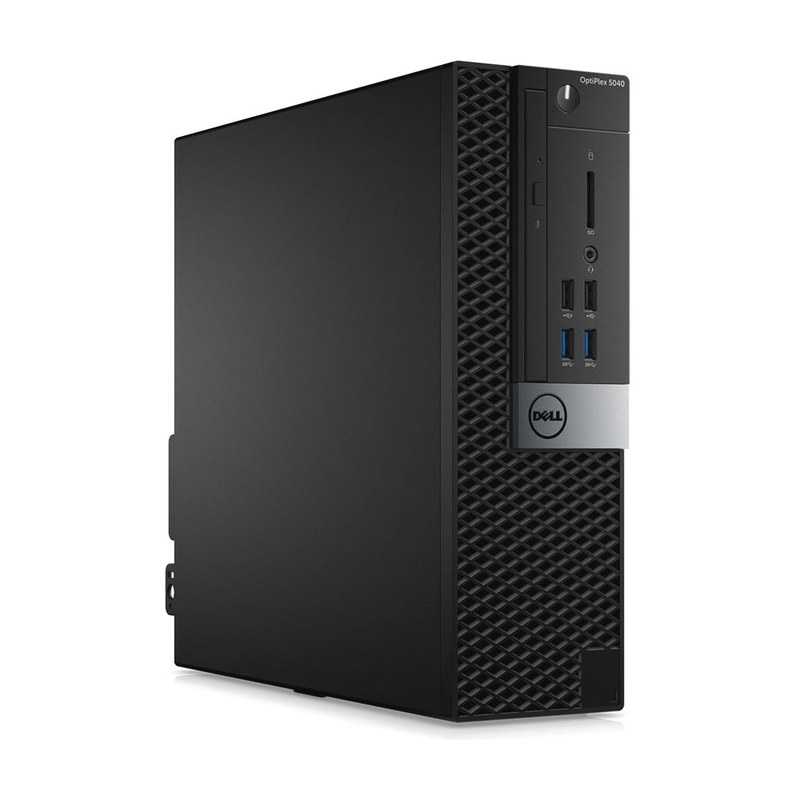
CPU
6th gen Intel, up to 65 W
Memory
4x DDR3L DIMM (Up to 16 GB total)
GPU
Integrated
Storage
1x 3.5" or 2x 2.5", 1x M.2
PCIe
1x PCIe 3.0 x16, 1x PCIe 3.0 x4
Network
1x 1 GbE
Power
Internal PSU, 180 W
Form factor
SFF
Use cases
NAS
Room for 2+ drives (must have)
Room for 2+ drives (must have)
2 or more drives allows for data redundancy across drives. Ex: RAID 0
3.5" bay
3.5" bay
3.5" hard drives have the best bang for buck when it comes to cost and capacity.
NVMe slot
NVMe slot
Useful for running the OS on a small SSD for fast boot times and keeping the OS separated from the data.
32 GB+ RAM
32 GB+ RAM
ZFS, the usual NAS file system uses spare ram as a cache for speed.
2.5GbE or a PCIe slot
2.5GbE or a PCIe slot
The faster the network card, the faster file transfers finish. A gigabit ethernet card will limit file transfers to about 110MB/s.
Plex/Jellyfin
Hardware transcode (must have)
Hardware transcode (must have)
Transcoding video can be taxing on the CPU without hardware support.
4K HDR transcode
4K HDR transcode
4K HDR files are 10-bit HEVC and older iGPUs can't decode them.
Intel QuickSync
Intel QuickSync
Plex's hardware transcoding is built around Intel. Jellyfin prefers AMD.
AV1 decode
AV1 decode
AV1 is the newest codec.
Room for a media drive
Room for a media drive
It's good to keep the OS separate from your media to avoid running out of space.
Proxmox
8 GB RAM minimum (must have)
8 GB RAM minimum (must have)
8GB is the min for Proxmox and a VM or two. More VMs will require more RAM
Room for 64 GB or more RAM
Room for 64 GB or more RAM
Lots of RAM makes it easy to run as many VMs as you'd like.
2+ drives
2+ drives
Helpful for keeping the OS separated from the VMs, or data redundancy.
NVMe slot
NVMe slot
Useful for running the OS on a small SSD for fast boot times and keeping the OS separated from the data.
2.5GbE or a PCIe slot
2.5GbE or a PCIe slot
The faster the network card, the faster file transfers finish. A gigabit ethernet card will limit file transfers to about 110MB/s.
At a glance#
| CPU | 1 socket, 6th gen Intel, up to 65 W LGA1151 | ||||||||||
| Memory | 4 slots, up to 16 GB DDR3L, up to 1600 MT/s | ||||||||||
| Storage | 1x 3.5" or 2x 2.5" drives, 1 M.2 SSD slot Drive bays or M.2 slots 2280 | ||||||||||
| Expansion slots | 2 slots (low-profile) x16 card slot x4 card slot | ||||||||||
| Network | 1x 1 GbE, no Wi-Fi | ||||||||||
| Power | Internal PSU, 180 W | ||||||||||
CPU#
| Vendor | Intel | ||||||||||
| Socket | LGA1151 | ||||||||||
| Chipset | Q170 | ||||||||||
| Supported | 6th gen | ||||||||||
| Max TDP | 65 W | ||||||||||
Graphics#
| Integrated | Intel HD Graphics 530 Intel HD Graphics 510 | ||||||||||
| Video ports | 2x DisplayPort 1x HDMI | ||||||||||
| Option port choices | 1x VGA | ||||||||||
| Discrete GPU options | None | ||||||||||
Memory#
| Type | DDR3L DIMM | ||||||||||
| Slots | 4 slots, dual-channel | ||||||||||
| Max capacity | 16 GB (8 GB/slot) | ||||||||||
| Max speed | 1600 MT/s | ||||||||||
| ECC | None | ||||||||||
| Shipped memory | 1-4 x 4-8 GB | ||||||||||
Storage#
| Drive bays | 1x 3.5" or 2x 2.5" | ||||||||||
| M.2 slot 1 | NVMe, PCIe 3.0 x4 M.2 2280, up to 3.9 GB/s | ||||||||||
| Other bays | Slim optical bay | ||||||||||
| SATA ports | 3 | ||||||||||
| Shipped storage | None | ||||||||||
Expansion#
| Slot 1 | PCIe 3.0 x16 low-profile | ||||||||||
| Slot 2 | PCIe 3.0 x4 low-profile | ||||||||||
| Legacy ports | Serial 2x PS/2 Parallel (optional) | ||||||||||
Network#
| Ethernet | 1 x 1 GbE | ||||||||||
| Wi-Fi | None | ||||||||||
Power#
| Supply | Internal PSU | ||||||||||
| Wattage | 180 W | ||||||||||
Chassis#
| Dimensions | 290 x 312 x 93 mm (11.4 x 12.3 x 3.7 in) (W x D x H) | ||||||||||
| Weight | 6 kg (13.2 lb) | ||||||||||
| Rack mountable | No | ||||||||||